A commitment to innovation and
sustainability for the future.
Find out about our latest projects and discover how they are helping to create a cleaner environment and a more balanced world.
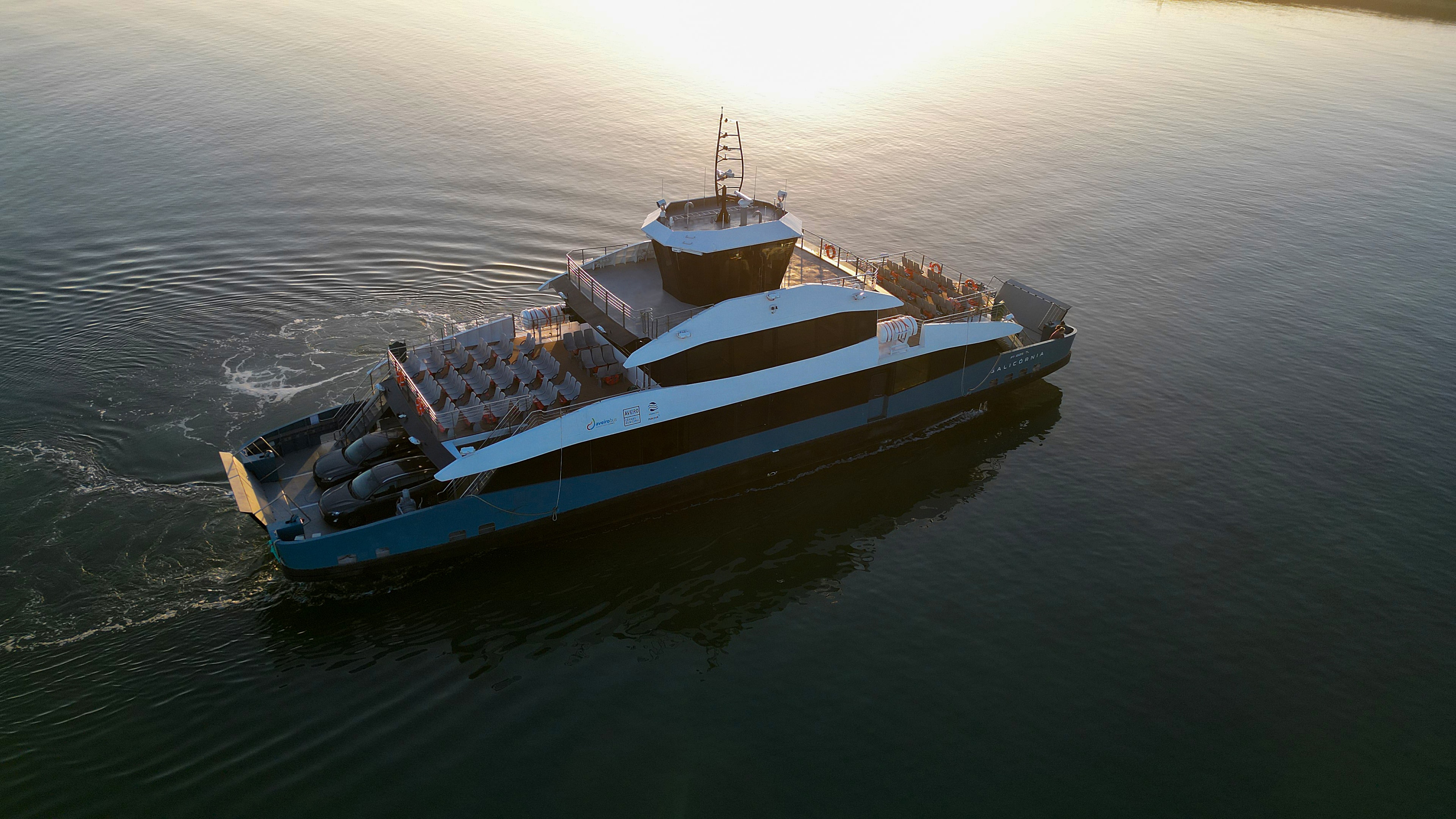
“Salicórnia”, Portugal’s first electric ferry
Discover Portugal’s first electric ferry, built at Navaltagus, the Grupo ETE shipyard. Salicórnia, the first electric ferry to be built in Portugal, bears the Grupo ETE hallmark. As well as marking a milestone in the growth of engineering and shipbuilding – a key business area for the Grupo ETE – it is a symbol of environmental and social sustainability. Designed to meet the growing demand for transport among residents of the Aveiro Region, this ferry is the result of collaboration between several Portuguese brands, from design to architecture and construction.
Alongside its numerous features – 100% electric, zero CO₂ emissions, greater passenger and vehicle capacity (260 and 19, respectively) – it positions the ETE Group at the forefront of Portuguese engineering and the shipbuilding industry.
Entirely designed and built in Portugal, at the Navaltagus shipyards in Seixal, the Salicórnia represents an innovative solution that improves the region’s environment and the quality of life for the people of Aveiro.
The Salicórnia ferry forms part of the Aveirobus passenger service and is monitored and managed on a daily basis by the Grupo ETE crews in Aveiro, to help meet the transport needs of Aveiro’s residents between S. Jacinto and Forte da Barra.
More than just a project, more than just a vessel, it epitomises the ability of Portuguese naval engineering to deliver sustainable mobility solutions.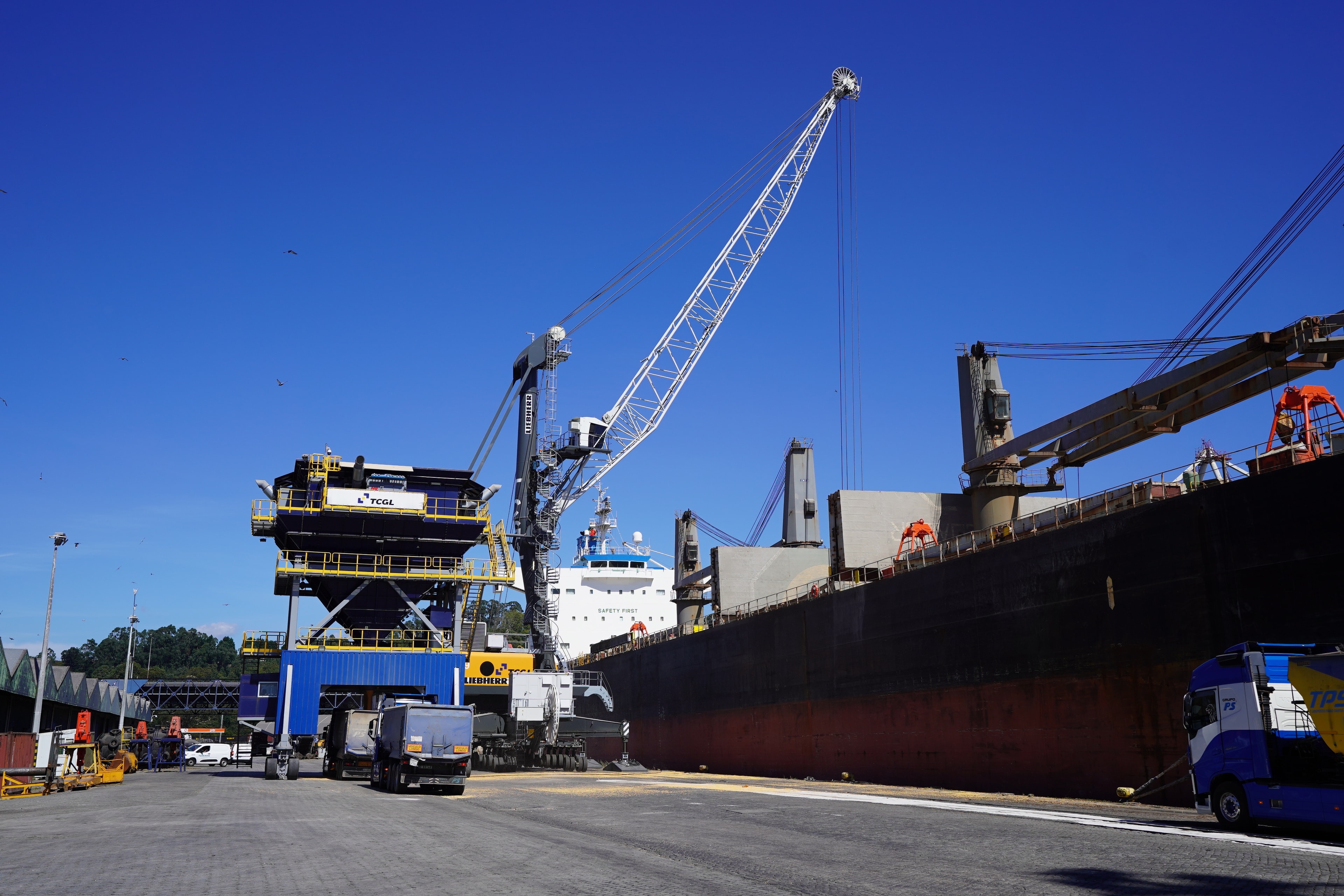
Eco-friendly hopper at TCGL
Built and developed by the Grupo ETE , discover this innovative and sustainable solution used daily in our operations.
Navalprime, a company within the ETE Group, has developed, in partnership with Motrinde, a specialist firm, an Eco-Friendly Hopper with the aim of minimising the environmental impact of dust resulting from port operations at the TCGL (Leixões General and Bulk Cargo Terminal).
With an effective capacity of up to 100m³ for cereals and an average throughput of 100m³/h, the hopper combines sophisticated technology with operational efficiency, promoting greater productivity at the terminal whilst prioritising sustainability and environmental protection.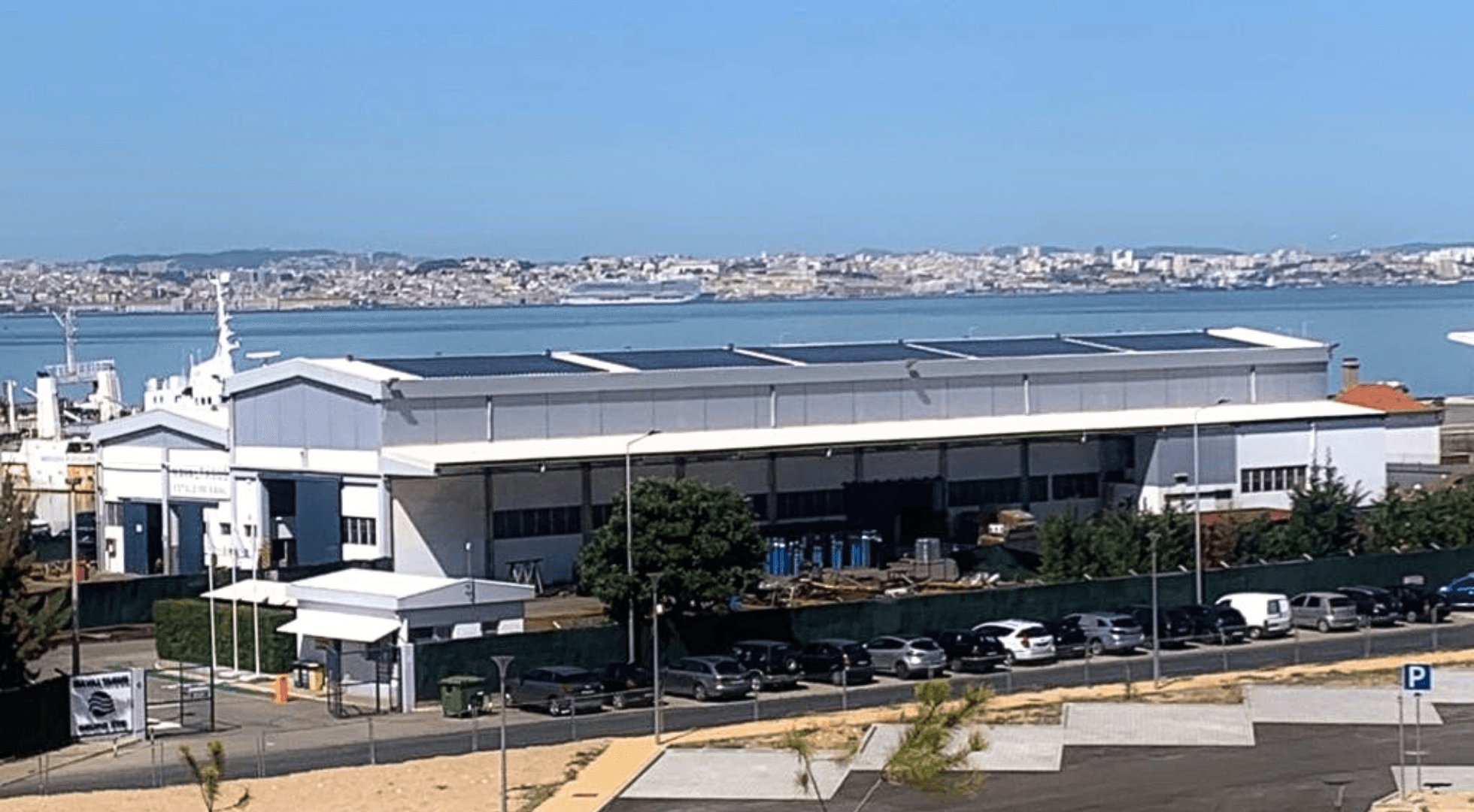
Photovoltaic power station at the Navaltagus Shipyard
The first photovoltaic power generation unit, intended for self-consumption, installed at the Navaltagus shipyard.
Navaltagus, the Grupo ETE shipbuilding and repair yard, has taken another significant step towards the energy transition with the installation of its first photovoltaic power plant.
Comprising 228 monocrystalline modules spread over an area of 808 m² and with a capacity of 152.1 kWp, the plant covers more than 50 per cent of the shipyard’s energy requirements.
This initiative helps to reduce the carbon footprint, in line with the Grupo ETE s environmental policy.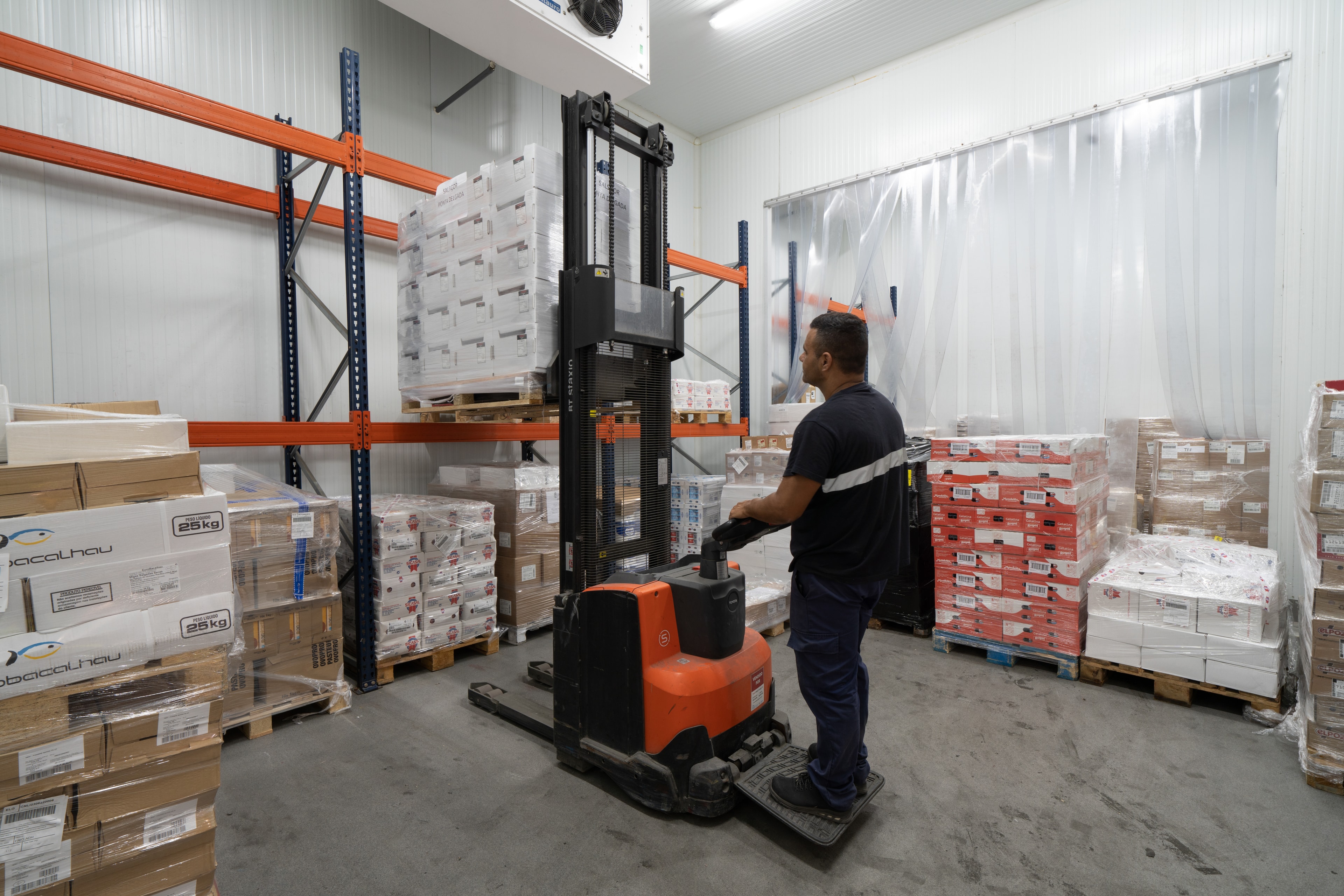
More energy-efficient equipment
The purchase of new energy-efficient equipment that helps to reduce our environmental impact and optimise our processes.
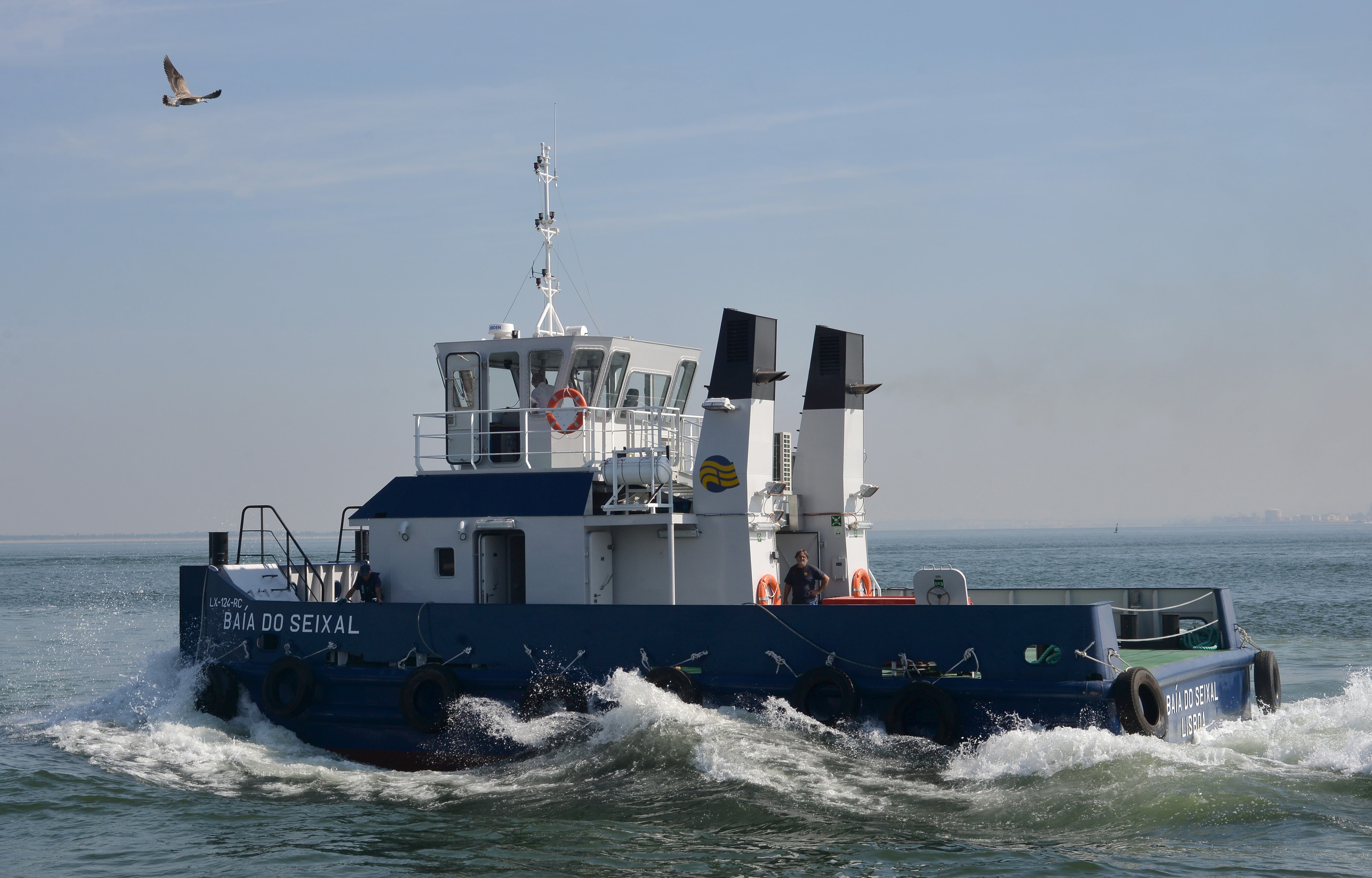
“Baía do Seixal”, the push tug on the River Tagus
The first push tug, the “Baía do Seixal”, built at the Navaltagus Shipyard, marks a significant milestone in innovation for the Grupo ETE .
The push tug “Baía do Seixal” was the Grupo ETE first innovative project in the shipbuilding sector, designed to expand operations on the River Tagus.
With specific features to support river operations – shallow draught, compact length and high power – , the tug enhances operational efficiency by operating in narrow, shallow-water areas, thereby promoting more sustainable river freight transport from Lisbon to Valada do Tejo.
Following the construction of the Baía do Seixal, two further vessels were built, entirely designed and developed by the ETE Group – two multicraft workboats – which continue to support port operations at both national and international levels to this day: the workboat Cachão da Valeira and the workboat Punta Tigre, respectively.